
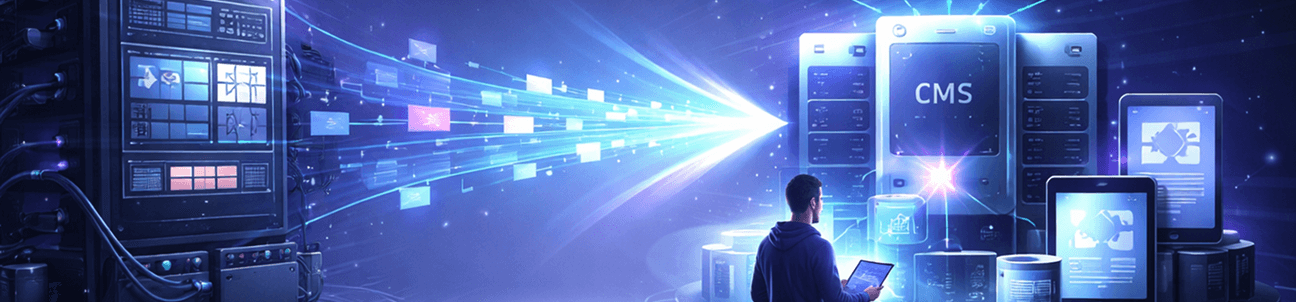
Headless CMS Migration & Readiness Guide
Migrating to a headless CMS is not a simple platform switch—it is a foundational change in how content is structured, delivered, and governed across digital systems.Without proper readiness and planning, migrations can introduce performance issues, SEO risks, and operational disruption. This page explains how organizations should evaluate readiness for a headless CMS migration, what a structured migration process looks like, and how to minimize risk while transitioning to a more flexible content architecture.
Why Migration Readiness Matters Before Going Headless
Many teams approach headless CMS migration as a development task. In reality, most migration failures occur before development even begins—due to unclear readiness, undefined content strategy, or overlooked dependencies
Migration readiness determines:
- Architectural feasibility
- Content model stability
- SEO and performance risk
- Operational impact across teams
A readiness-first approach significantly reduces post-migration issues.


Key Readiness Factors to Evaluate
Before migrating to a headless CMS, teams should evaluate:
- Current CMS limitations and bottlenecks
- Content structure and reuse requirements
- Editorial workflows and governance needs
- Integration dependencies with other systems
- Internal technical capability and ownership
Readiness is about alignment—not speed.
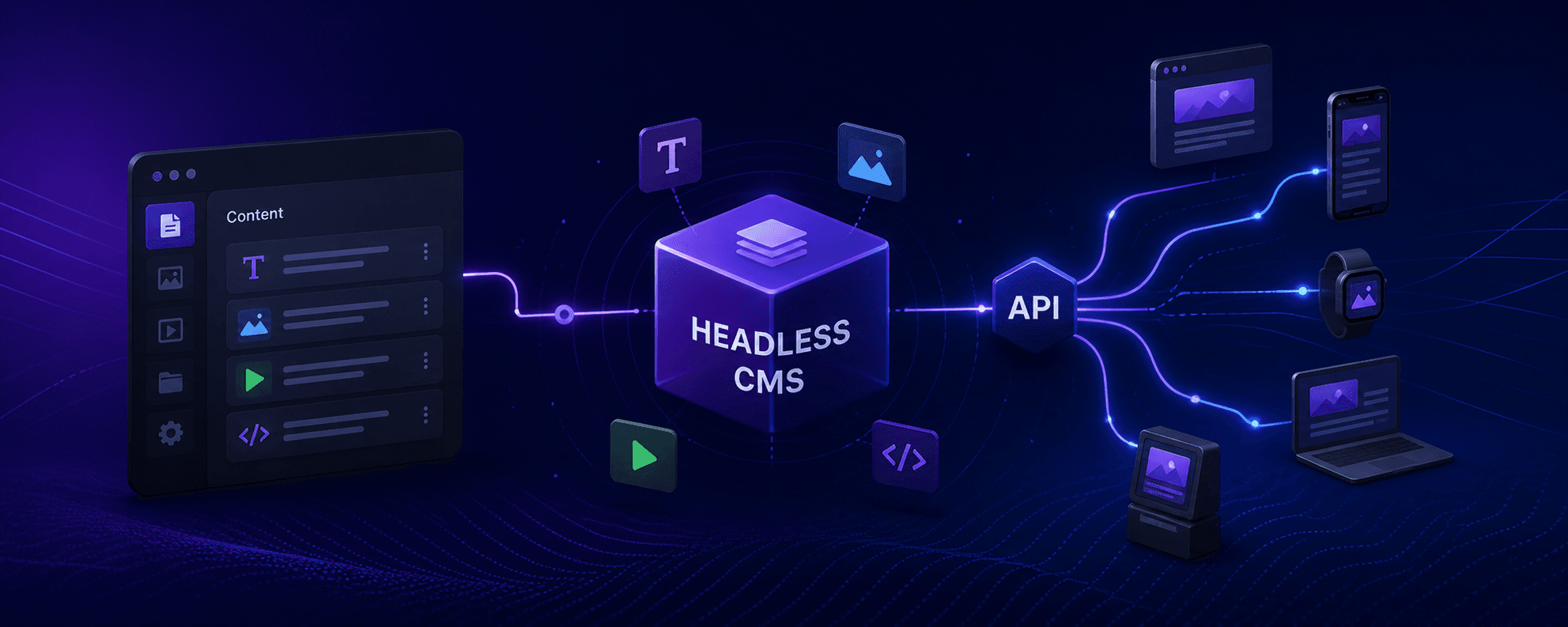
Check Your Headless CMS Migration Readiness
Use our migration framework to evaluate content structure, integration dependencies, SEO continuity, editorial workflows, and architectural readiness before transitioning to a headless CMS.
Typical Headless CMS Migration Phases
Successful headless CMS migrations follow a phased, controlled approach rather than a single “lift-and-shift.”
- Content strategy and modeling
- Architecture and stack planning
- API and integration setup
- Frontend consumption and rendering
- Testing, validation, and rollout
Each phase reduces risk and preserves business continuity.


SEO, Performance & Content Continuity Considerations
Migration can impact SEO and performance if not carefully planned. Critical considerations include:
- Preserving URLs and metadata
- Maintaining indexing and crawlability
- Ensuring content parity across systems
- Validating performance before launch
SEO stability and content continuity must be intentional—not assumed.
Common Migration Mistakes to Avoid
Some frequent migration mistakes teams make:
- Migrating without a readiness framework
- Rushing timelines to meet arbitrary deadlines
- Underestimating content modeling complexity
- Ignoring governance and post-launch ownership
- Treating migration as a one-time event
Avoiding these mistakes is often more important than the CMS selection itself.
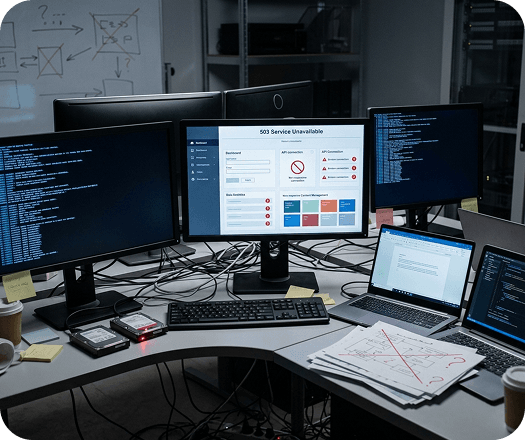

When Headless CMS Migration Makes Sense
Migration to a headless CMS is most effective when existing CMS limitations block scalability, performance, or multi-channel delivery. For mature platforms, migration unlocks long-term flexibility and growth.The decision to choose a headless CMS should be guided by content strategy, business maturity, and long-term platform goals. Teams must be prepared to manage architectural flexibility responsibly.
For simpler or early-stage platforms, delaying migration may be the more strategic choice.
How Migration Fits Into the Bigger Headless CMS Strategy
Migration is only one component of a complete headless CMS strategy. Architecture design, composable planning, performance optimization, and governance must all align.
This page focuses on migration readiness. A broader strategic perspective is covered in our complete Headless CMS authority guide.

Plan Your Headless CMS Migration with Confidence
Use our migration readiness framework to validate architecture, content modeling, SEO continuity, and integration dependencies before transitioning.